Articles
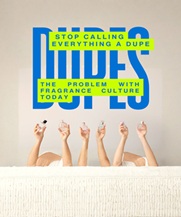
Stop Calling Everything a Dupe: The Problem with Fragrance Culture Today

Malaysia’s fragrance scene is growing fast but the obsession with dupes is shaping how we understand, create and value scent.
Editorial post by: Sarah Yahaya
A Fast Growing Scene, A Faster Label
There’s a word that’s been thrown way too casually in the fragrance scene lately – Dupe. In social media platforms especially, the word dupe gets thrown around far too casually in today’s fragrance scene. While dupes are affordable alternatives that mimic the style or function of high-end products without copying trademarks, the term is now improperly applied to unrelated products, creating a false equivalence.
Malaysia’s independent fragrance scene is experiencing an unprecedented boom. Dozens of homegrown brands are launching online and in local markets, tapping into a growing consumer appetite for affordable scents. However, a significant portion of this growth relies on a specific strategy: utilizing dupes (duplicates) of famous luxury perfumes to secure an initial customer base.
While this approach lowers the barrier to entry for small businesses, it creates a long-term cultural shift. It risks conditioning local consumers to value Malaysian perfumery not for its unique artistry, but for how accurately it replicates Western luxury brands.
With access to pre-made oils and ready suppliers, a brand can launch fairly quickly. This isn’t inherently a bad thing or a shortcut, but a strategy for brand presence. In doing so, we slowly train the market to value fragrance not by the craft behind it, but by what it is duped of. Over time, it conditions consumers to judge a fragrance not by its craftsmanship, but who imitates the best
Building a fragrance brand is not simple. The reality is, building a fragrance brand is complex and costly. It involves expensive materials, repeated formula trials, packaging and marketing investments, and continuous marketing effort. Therefore, to create something fully original from day one is considered a luxury for many small founders.
“What used to be one iconic scent can suddenly exist everywhere. The fraghead terminology for this would be “bau awam”.
Balancing Consumer Demand with Industry Future
Addressing this crisis is not about denying reality. Yes, there are brands that intentionally focus on dupe to scale business, Yes, consumers deserve what they want. Affordability matters deeply for Malaysian consumers navigating tight disposable incomes, especially during the current global economic landscape.If a brand only competes on price and similarity, it will eventually lose to cheaper competitors.
The goal here is to refuse to let a temporary stepping stone become a permanent identity. By using familiarity as a tool rather than a crutch, Malaysian fragrance brands can slowly recondition the market, proving that local perfumery is fully capable of leading, not just following. Malaysia possesses a rich, untapped olfactory heritage. From the deep complexity of local gaharu (oud) to the nostalgic comfort of tropical flora and spices. The Malaysian consumer is evolving and increasingly eager to support high quality, homegrown talent. A brand should take the advantages that we have to let the market appreciate the nuance of true perfumery. Stepping out of the shadow of dupes is how we turn casual bargain hunters into loyal, proud supporters of local craft.
How Consumer Behavior Anchors the Industry

That being said, fragrance consumption in Malaysia is still growing. For many consumers, perfume is not yet about collecting, exploring or understanding scent structure. Driven by a desire for luxury experiences at accessible price points, consumers gravitate toward familiar global scent profiles. Local brands are merely responding to this fundamental supply and demand dynamic. This creates what we can call a recognisable scent economy, where familiarity becomes the main currency.
Consumer demand heavily favors the replication of safe, globally successful profiles like sweet gourmands, fresh ambroxan, and heavy florals. However, when the supply is too concentrated on duplicates, the market inevitably becomes oversaturated, repetitive, and uninspiring . The industry is left with little more than the 100th variation of Amouage Guidance 46.
“It’s easy to blame brands, but in reality, consumers are co-creating this uninspired landscape.”
Breaking The Cycle, Growth Requires Progression
Cultivating a diverse and exciting fragrance landscape in Malaysia requires a shared shift from both brands and consumers. Moving past a dupe-driven market means reforming the product development cycle, a process that must begin with a more intentional, original direction from local founders
Proper seeding plays a crucial role such as introducing scents in the right context to the right audience. Moving from transactions to storytelling is how brands teach consumers to truly speak the language of fragrance. Capturing this initial consumer interest requires a coordinated effort from brand marketing and content creators to deepen market engagement. Creators have transitioned from passive reviewers into active narrative builders who bridge the trust gap between brands and consumers. Through intentional storytelling, educational breakdowns, and transparent perspectives, they frame how consumers perceive value. Creators become the cultural trendsetters needed to stimulate market demand for original formulation within the local industry.

The Shift to Discovery
While replications merely capture existing mainstream preferences, a shift in consumer consciousness alters the entire market dynamic. When awareness elevates, the audience learns to appreciate the nuanced artistry of formulation, the creative intent of a scent, and the core identity of a brand. This deeper awareness creates a willingness to explore original compositions and unique profiles, making consumers far more willing to invest when they see true value. To outgrow the dupe era, brands must therefore stop mirroring success and start differentiating through genuine innovation. Only then can the market move past a sea of redundant copies and evolve into a landscape of diverse, standalone creations.
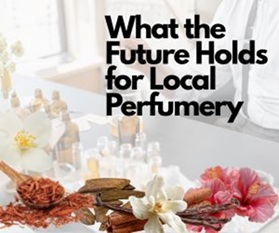
Furthermore, a commitment to original creation breathes life into Malaysia’s local agricultural ecosystem. True innovation requires unique raw materials, opening direct supply chains to independent local farmers harvesting native agarwood (gaharu), Malaysian Sandalwood (Santalum album), tropical flora, and spices. Homegrown brands can do more than just sell a finished product. They build a sustainable, high value local economy that honors and monetizes our country’s natural biodiversity.
Price Accessibility Brings People into Fragrance.
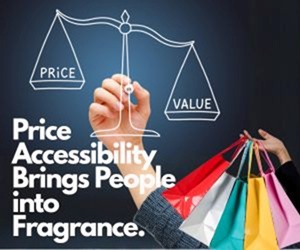
At its core, fragrance is deeply personal it is the ultimate expression of who we are. True growth happens when we make that luxury accessible, offering choices that meet consumers where they are. By giving them options beyond mass market clones, we give them the freedom to stop smelling like everyone else and discover their own signature scent. This isn’t just about growing a business; it is about building a proud, authentic Malaysian identity that the world will want to stop and notice.
“A mature market is not one that has no dupes, but one that knows that is not the only language market understand”